
Your Brampton Dentist Breaks Down The Differences Between Dental Crown And Bridges
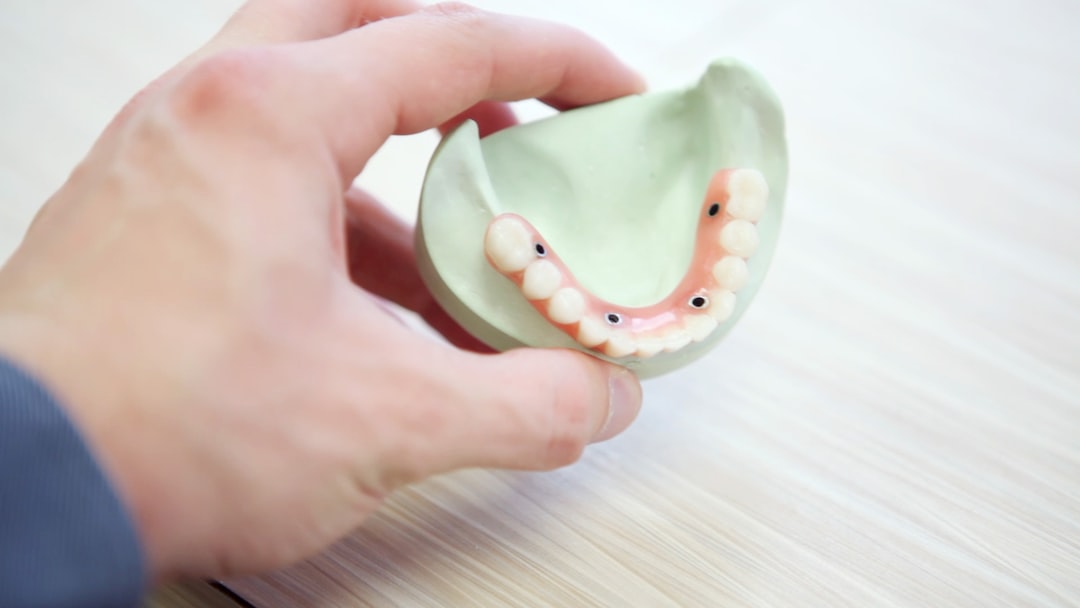
Dental crowns and bridges are common dental procedures that are used to restore and improve the appearance and functionality of teeth. Dental health is of utmost importance as it not only affects our ability to eat and speak properly, but also has an impact on our overall well-being. Taking care of our teeth and seeking professional dental care when needed is essential for maintaining good oral health.
Key Takeaways
- Dental crowns and bridges are common dental restorations used to repair damaged or missing teeth.
- Crowns are used to cover a damaged tooth, while bridges are used to replace a missing tooth.
- Dental crowns and bridges are recommended for patients with decayed, cracked, or missing teeth.
- Crowns and bridges are made by taking impressions of the patient’s teeth and creating a custom restoration in a dental lab.
- The benefits of dental crowns and bridges include improved appearance, function, and oral health. However, there are also risks and limitations to consider.
Understanding Dental Crowns and Bridges: An Overview
Dental crowns are tooth-shaped caps that are placed over a damaged or decayed tooth to restore its shape, size, strength, and appearance. They are typically made from materials such as porcelain, metal, or a combination of both. Dental bridges, on the other hand, are used to replace one or more missing teeth. They consist of two or more crowns that are attached to the teeth on either side of the gap, with a false tooth (or teeth) in between.
The materials used for dental crowns and bridges can vary depending on the individual’s needs and preferences. Porcelain crowns are popular because they can be matched to the color of natural teeth, making them virtually indistinguishable. Metal crowns, such as those made from gold or silver alloy, are known for their durability and strength. Some people may opt for a combination of porcelain and metal for a more natural-looking crown.
Dental crowns and bridges work by covering or replacing damaged or missing teeth, restoring their function and appearance. They can help improve chewing and speaking abilities, prevent further damage to the affected teeth, and enhance the overall aesthetics of the smile.
Dental Crowns vs. Bridges: What’s the Difference?
While dental crowns and bridges serve similar purposes, there are some key differences between the two. Dental crowns are used to restore individual damaged or decayed teeth, while bridges are used to replace missing teeth. Crowns are typically recommended when a tooth is severely damaged or weakened, while bridges are used when one or more teeth are missing.
Dental crowns are custom-made to fit over the existing tooth, covering it completely. They are cemented in place and provide protection and support to the underlying tooth structure. Bridges, on the other hand, consist of two or more crowns that are attached to the adjacent teeth, with a false tooth (or teeth) in between. The adjacent teeth act as anchors for the bridge, holding it securely in place.
When are Dental Crowns and Bridges Recommended?
| Condition | Recommendation |
|---|---|
| Broken or Fractured Tooth | Dental Crown |
| Large Cavity | Dental Crown |
| Missing Tooth | Dental Bridge |
| Weakened Tooth | Dental Crown |
| Discolored Tooth | Dental Crown |
| Root Canal Treatment | Dental Crown |
Dental crowns and bridges are recommended for a variety of reasons. They can be used to restore teeth that are severely decayed, cracked, or fractured. Crowns are also commonly used after root canal treatment to protect and strengthen the treated tooth. Bridges are recommended when one or more teeth are missing and need to be replaced.
In addition to restoring damaged or missing teeth, dental crowns and bridges can also be used to improve the appearance of teeth. They can help correct misshapen or discolored teeth, giving patients a more aesthetically pleasing smile.
How are Dental Crowns and Bridges Made?
The process of making dental crowns and bridges typically involves several steps. First, the dentist will prepare the affected tooth by removing any decayed or damaged parts and shaping it to accommodate the crown or bridge. An impression of the prepared tooth is then taken, which is used as a mold to create the custom-made crown or bridge.
The materials used for making dental crowns and bridges can vary depending on the individual’s needs and preferences. Porcelain crowns are popular because they can be matched to the color of natural teeth, making them virtually indistinguishable. Metal crowns, such as those made from gold or silver alloy, are known for their durability and strength. Some people may opt for a combination of porcelain and metal for a more natural-looking crown.
The Benefits of Dental Crowns and Bridges

Dental crowns and bridges offer several benefits to patients. One of the main advantages is the improved appearance of teeth. Crowns and bridges can help correct misshapen or discolored teeth, giving patients a more aesthetically pleasing smile. They can also help restore the natural shape and alignment of teeth, enhancing the overall facial structure.
In addition to the cosmetic benefits, dental crowns and bridges also contribute to better oral health. They provide protection and support to damaged or weakened teeth, preventing further decay or damage. By replacing missing teeth, bridges help maintain the alignment of surrounding teeth, preventing them from shifting out of place.
Furthermore, dental crowns and bridges can improve the functionality of teeth. They restore the ability to chew and speak properly, allowing patients to enjoy a wider variety of foods and communicate more effectively.
The Risks and Limitations of Dental Crowns and Bridges
While dental crowns and bridges offer numerous benefits, there are some potential risks and limitations to consider. One possible complication is tooth sensitivity, especially after the placement of a crown or bridge. This sensitivity usually subsides within a few days or weeks, but in some cases, it may persist.
Another risk is the possibility of allergic reactions to the materials used for dental crowns and bridges. Some individuals may be allergic to certain metals or dental materials, which can cause discomfort or other adverse reactions.
It is also important to note that dental crowns and bridges have certain limitations. They are not suitable for everyone, especially those with severe gum disease or insufficient tooth structure to support the restoration. In such cases, alternative treatment options may need to be considered.
How Long Do Dental Crowns and Bridges Last?
The lifespan of dental crowns and bridges can vary depending on several factors. These include the materials used, the individual’s oral hygiene habits, and the amount of wear and tear the restorations are subjected to.
On average, dental crowns and bridges can last anywhere from 5 to 15 years. With proper care and regular dental check-ups, they can last even longer. It is important to follow good oral hygiene practices, such as brushing and flossing regularly, to maintain the longevity of dental crowns and bridges.
The Procedure for Getting Dental Crowns and Bridges
The process of getting dental crowns and bridges typically involves several steps. First, the dentist will examine the affected teeth and determine if crowns or bridges are the appropriate treatment option. If so, the dentist will prepare the teeth by removing any decayed or damaged parts and shaping them to accommodate the restorations.
Next, an impression of the prepared teeth is taken, which is used as a mold to create the custom-made crowns or bridges. Temporary restorations may be placed while the permanent ones are being fabricated in a dental laboratory.
Once the permanent crowns or bridges are ready, they are cemented in place using dental adhesive. The dentist will ensure that they fit properly and make any necessary adjustments for optimal comfort and functionality.
Caring for Your Dental Crowns and Bridges
Proper care and maintenance are essential for ensuring the longevity of dental crowns and bridges. It is important to follow good oral hygiene practices, such as brushing twice a day with a soft-bristled toothbrush and flossing daily. Regular dental check-ups are also crucial for monitoring the condition of the restorations and addressing any issues that may arise.
Avoiding habits such as biting on hard objects or using teeth as tools can help prevent damage to dental crowns and bridges. It is also advisable to avoid foods that are excessively sticky or hard, as they can put unnecessary strain on the restorations.
Choosing the Right Option for Your Dental Needs
When considering dental crowns and bridges, it is important to consult with a dentist to determine the best treatment option for your specific needs. Factors to consider include the extent of damage or tooth loss, the condition of surrounding teeth and gums, and personal preferences.
The dentist will evaluate your oral health and discuss the available options, taking into account factors such as durability, aesthetics, and cost. They will provide you with all the necessary information and guidance to help you make an informed decision.
Dental crowns and bridges are valuable dental procedures that can restore and improve the appearance and functionality of teeth. They offer numerous benefits, including improved appearance, better oral health, and increased functionality. However, it is important to be aware of the potential risks and limitations associated with these restorations.
By seeking professional dental care and following good oral hygiene practices, you can ensure the longevity of dental crowns and bridges. Regular dental check-ups are crucial for monitoring the condition of the restorations and addressing any issues that may arise. Remember, taking care of your dental health is essential for maintaining overall well-being.
If you’re considering dental implants as an alternative to dental crowns and bridges, you may find this article on dental implants helpful. It provides valuable information on the benefits of dental implants, the implant surgery process, and whether they are the right choice for you. Understanding all your options is essential when making decisions about your oral health.
Have a question about your smile?
Our team is here to help. Book a visit or call us and we'll get you the care and answers you need.
More from our blog

Why Your Teeth Hurt When Drinking Cold or Hot: Causes & When to See a Brampton Dentist
If you feel a sudden sharp pain when drinking cold water or sipping hot coffee, you’re not alone. Many patients experience hot and cold tooth sensitivity, and while it may seem like a minor inconvenience at first, it can actually be a sign of an underlying dental issue. At Gillingham Drive Dentistry, we regularly help […]
Read article
What to Expect from a Community Dental Practice in Brampton
Choosing the right dental provider means understanding what care you will receive and how it supports your health and comfort. A community dental practice focuses on patients, prevention, and personalized care to help you maintain a healthy smile for life. In this article, a Gillingham Drive dentist explains what to expect from a community dental […]
Read article blog
blogGillingham Drive Dentist Explains Dental Issues Patients Ignore in Brampton
Many people wait too long to see a dentist because they think minor symptoms will go away on their own. But small concerns can lead to bigger problems if they are ignored. In this article, a Gillingham Drive dentist explains dental issues patients ignore, so you know what to watch for and when to seek […]
Read article